French New Wave
French New Wave Explained – The Rebel Filmmakers Who Changed Cinema Forever
What Is the French New Wave?
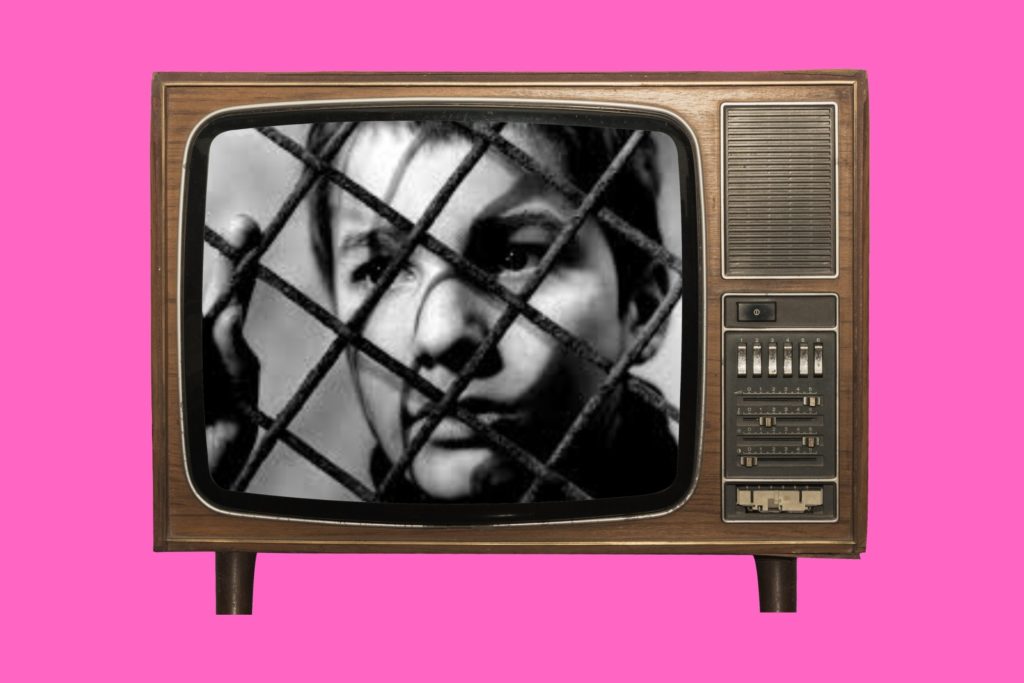
When I first started exploring film history beyond the mainstream, the French New Wave (Nouvelle Vague) completely transformed how I saw cinema. Names like Jean‑Luc Godard and François Truffaut popped up repeatedly in magazines, documentaries and interviews. Tracking down classics such as Breathless and The 400 Blows opened my eyes to a rebellious film movement that still feels fresh decades later.
How the Nouvelle Vague Changed Cinema
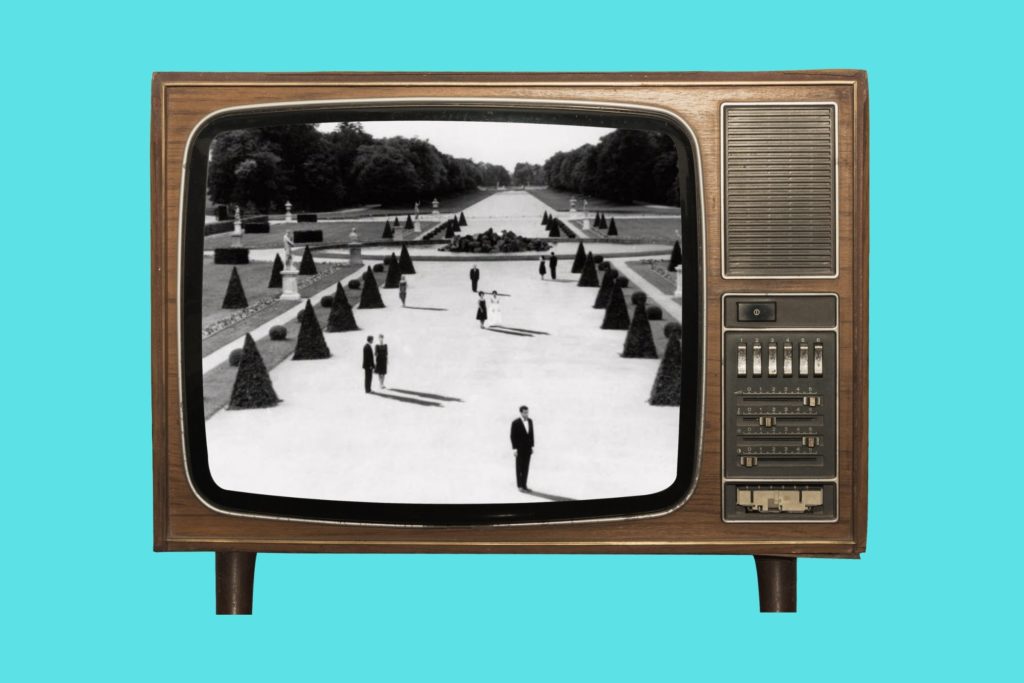
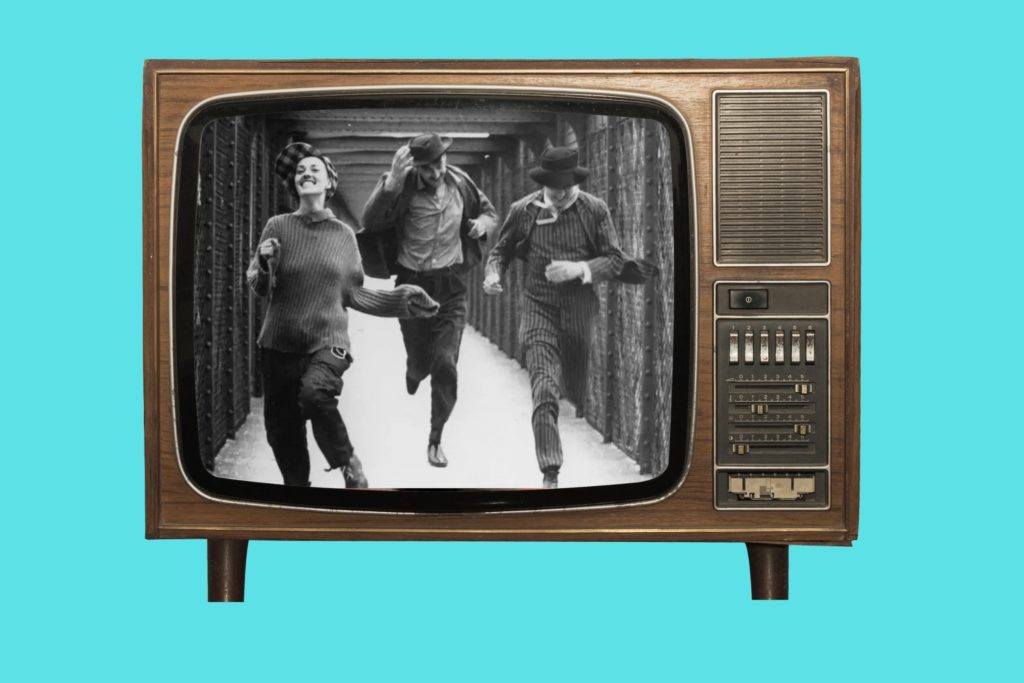
The movement kicked off in the late 1950s when a group of young film critics from Cahiers du Cinéma decided to make movies themselves. They were fed up with polished, safe French dramas and wanted to inject personal style, spontaneity and energy into their work. Shooting on real streets with handheld cameras, using jump cuts and improvised dialogue, their films felt like cinema discovering its own punk‑rock spirit. Technique mattered, but passion mattered more.
Breathless and The 400 Blows Explained
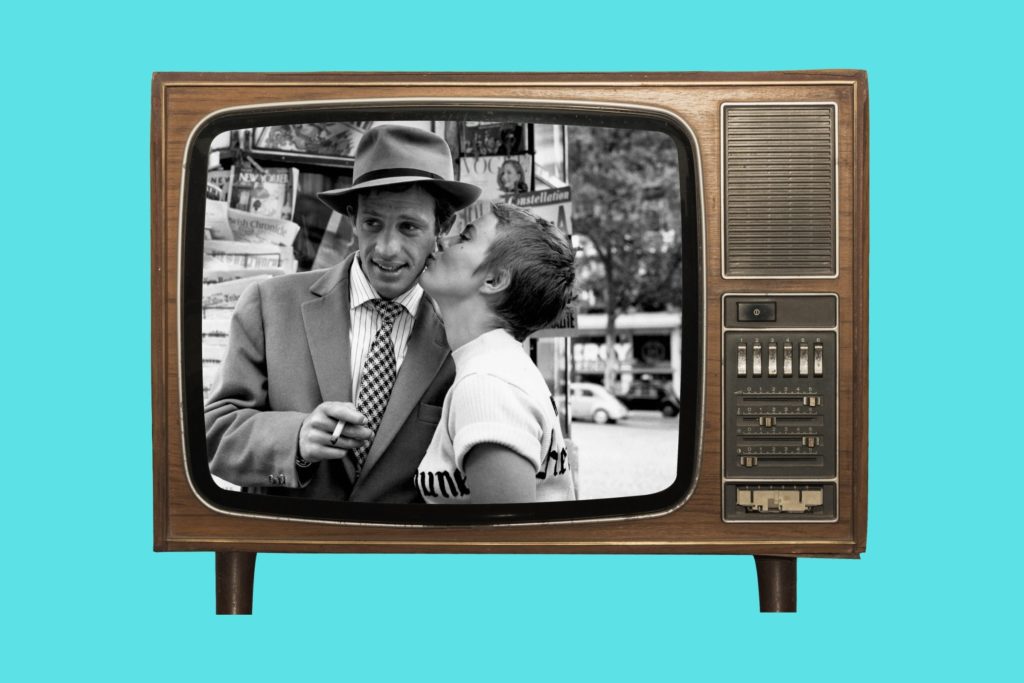
This rebellious streak drew me in. New Wave movies break rules shamelessly: characters look into the camera, scenes end abruptly and plots meander unpredictably. Watching Breathless feels like witnessing a cinematic revolution—raw, cool and bursting with youthful energy—while The 400 Blows offers an emotionally honest portrait rooted in Truffaut’s own upbringing. These films make you feel as if you’re living alongside the characters rather than just observing them.
Cahiers du Cinéma and Auteur Theory
The French New Wave also connected directly to Auteur Theory. Directors like Truffaut, Godard and Claude Chabrol were obsessive cinephiles who loved American cinema—especially the work of Alfred Hitchcock and Howard Hawks—but they wanted to push filmmaking into something deeply personal. They believed a director’s personality should shine through every frame. Their movies blend homage with rebellion, showing how much modern cinema owes to a group of friends with limited budgets and boundless ambition.
Why French New Wave Films Feel Different
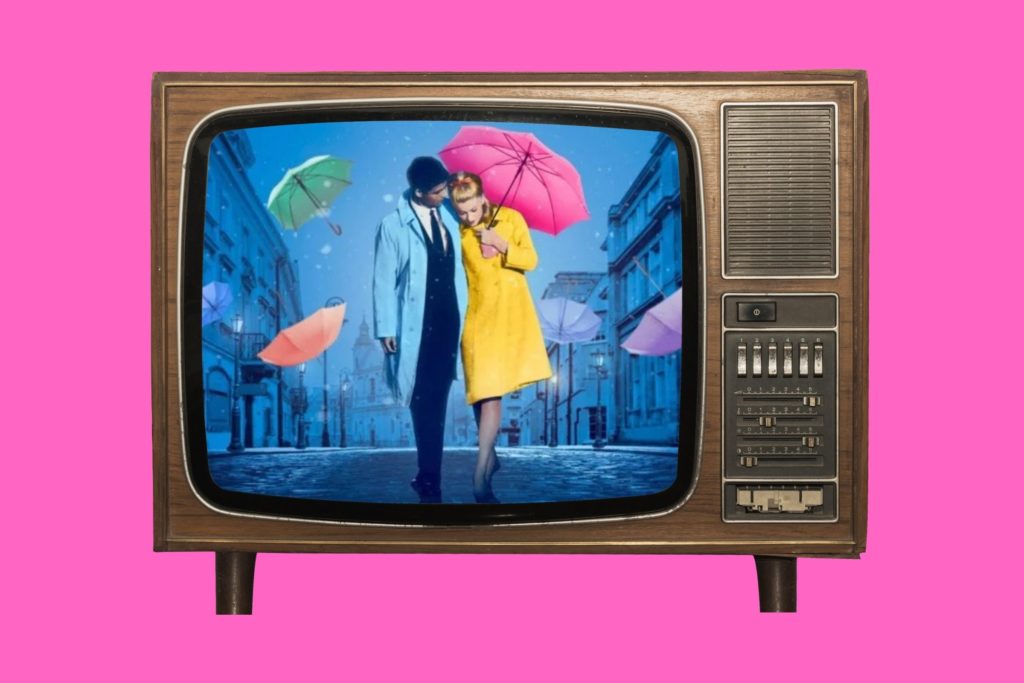
What fascinates me most is how youthful these films still feel. They’re curious, playful, romantic and occasionally chaotic. Rough edges make them more human; they remind you that cinema doesn’t need to be perfect to be powerful. You can feel the vibrancy of the late 1950s and early 1960s in every jump cut and break of the fourth wall.
The Legacy of the French New Wave
The French New Wave proved that filmmaking isn’t reserved for giant studios. It inspired filmmakers like Martin Scorsese, Quentin Tarantino, Wes Anderson and Richard Linklater to embrace personal storytelling. Even music videos and indie dramas borrow from this movement’s style. More than 60 years later, the energy and curiosity of the Nouvelle Vague still ripple through cinema—and honestly, movies are better for it.
Recommended Reading
The French New Wave: An Artistic School – Michel Marie
A History of the French New Wave Cinema – Richard Neupert
François Truffaut – Antoine de Baecque & Serge Toubiana
Godard: A Portrait of the Artist at Seventy – Colin MacCabe
Everything Is Cinema: The Working Life of Jean‑Luc Godard – Richard Brody
Hitchcock/Truffaut – François Truffaut
Cahiers du Cinéma: The Golden Years – Jim Hillier