Italian Gothic
Horror
My Introduction to Italian Gothic Horror
I first discovered Italian Gothic cinema after falling for Italian horror and Dario Argento’s work. When you start exploring Italian genre films, it’s like finding a secret passageway: one discovery leads to another. Before long, I was wandering through foggy graveyards and candlelit castles, meeting cursed families and iconic actress Barbara Steele. The mood of these films pulled me in and never let go; they’re spooky yet beautiful, existing somewhere between Hammer and Universal horrors and a surreal dream.
How Italian Gothic Began
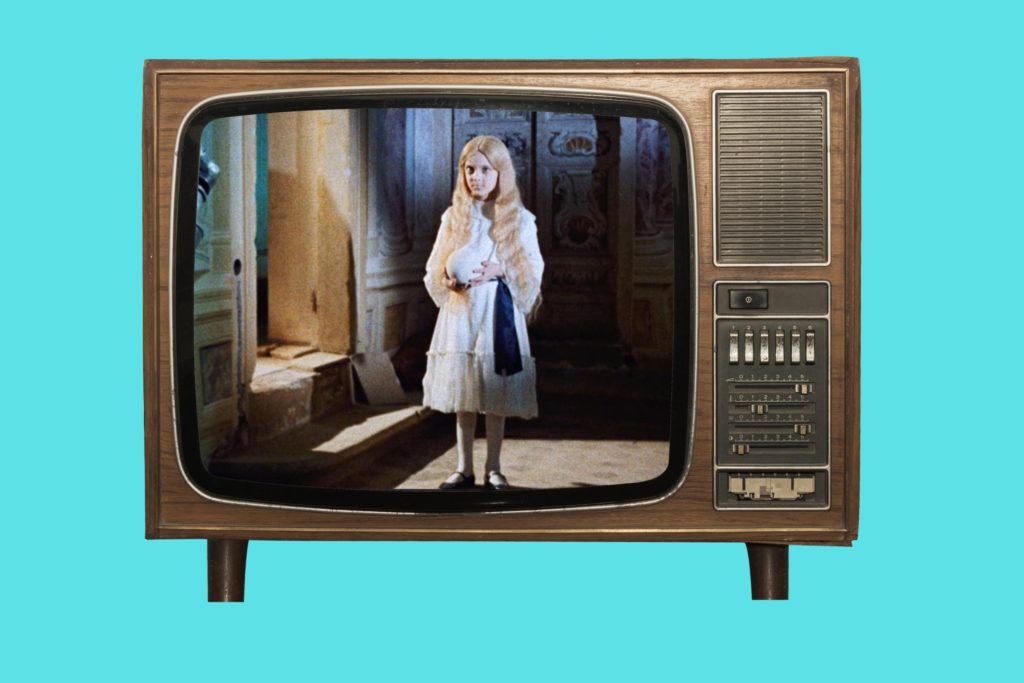
Italian Gothic films bloomed in the late 1950s and early 1960s, when the horror genre was already changing. Universal’s classic monster cycle had ended, while Hammer Films had reimagined Gothic horror with vibrant colour and charismatic leads. Italian directors saw what Hammer did and decided to make it stranger. They kept the haunted castles and family curses but filtered them through a European sensibility, making stories moodier and more psychological. The result feels suspended between reality and nightmare: time becomes hazy, characters seem trapped by fate and every location feels haunted before anything supernatural happens.
Mario Bava: Visual Genius of Italian Gothic
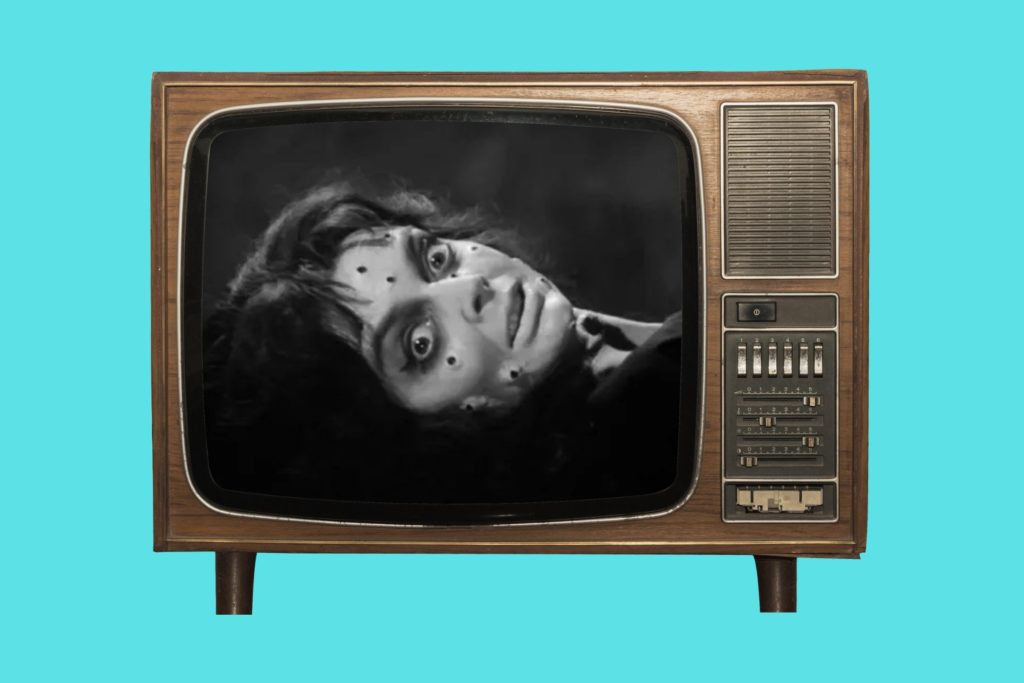
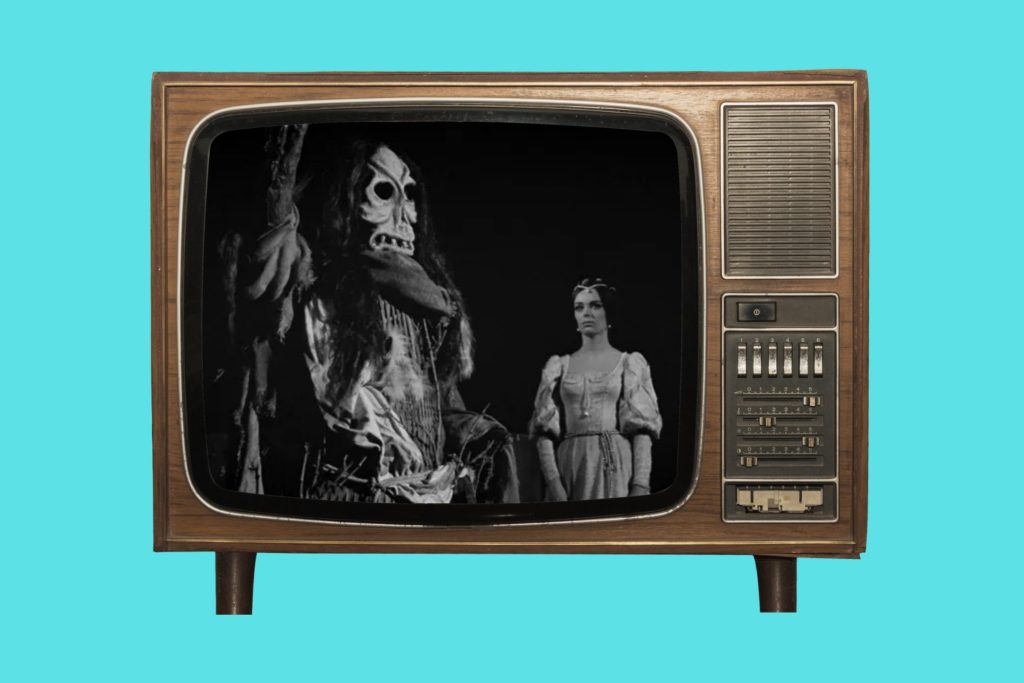
No conversation about Italian Gothic is complete without Mario Bava. Before directing, he worked as a cinematographer and special-effects artist, and you can see that expertise in every frame of his movies. His breakout film, Black Sunday (1960), starring Barbara Steele in a dual role, looks like a cursed fairy tale. Misty graveyards, decaying crypts and carefully sculpted lighting create unforgettable scenes. The use of black-and-white photography is hypnotic, giving the film its timeless beauty. Bava’s innovations influenced not only Argento and Fulci but also filmmakers like Tim Burton and Guillermo del Toro.
Barbara Steele: The Face of Italian Gothic
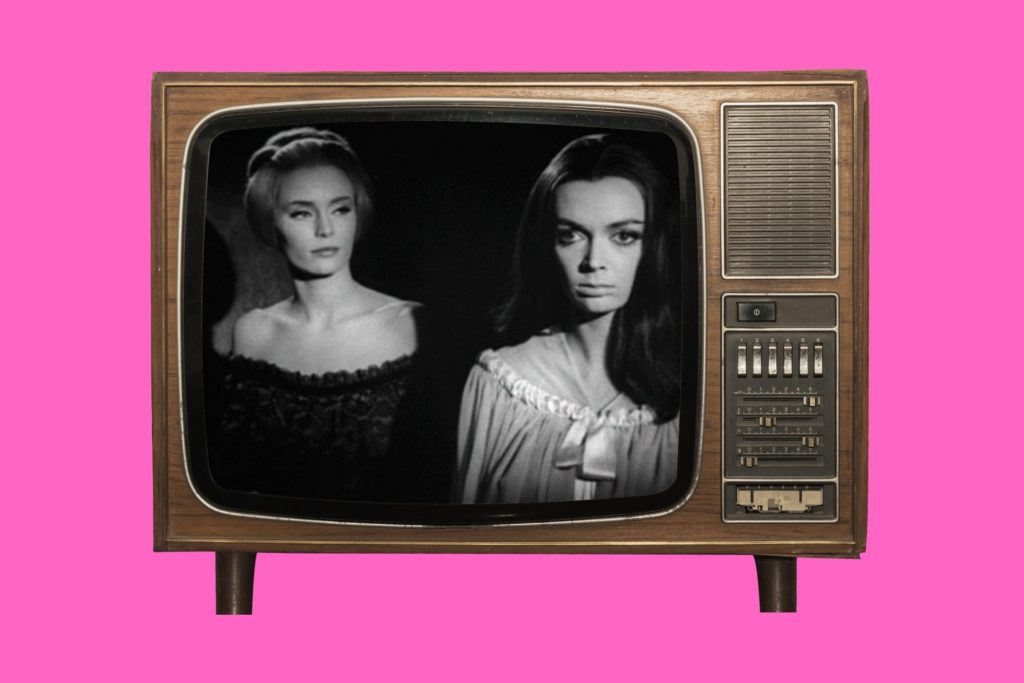
Speaking of Black Sunday, its success turned Barbara Steele into the queen of Italian Gothic. With her wide eyes and magnetic presence, she carries equal parts tragedy and menace. She appears in key films such as The Horrible Dr. Hichcock (1962), Castle of Blood (1964) and The Long Hair of Death (1964). Watching her performances, you can feel a depth of grief and obsession beneath the surface. Italian Gothic films aren’t just about monsters; they often explore themes of guilt, forbidden love and doomed destiny, and Steele embodied all of these emotions.
Weirdness and Dream Logic in Gothic Cinema
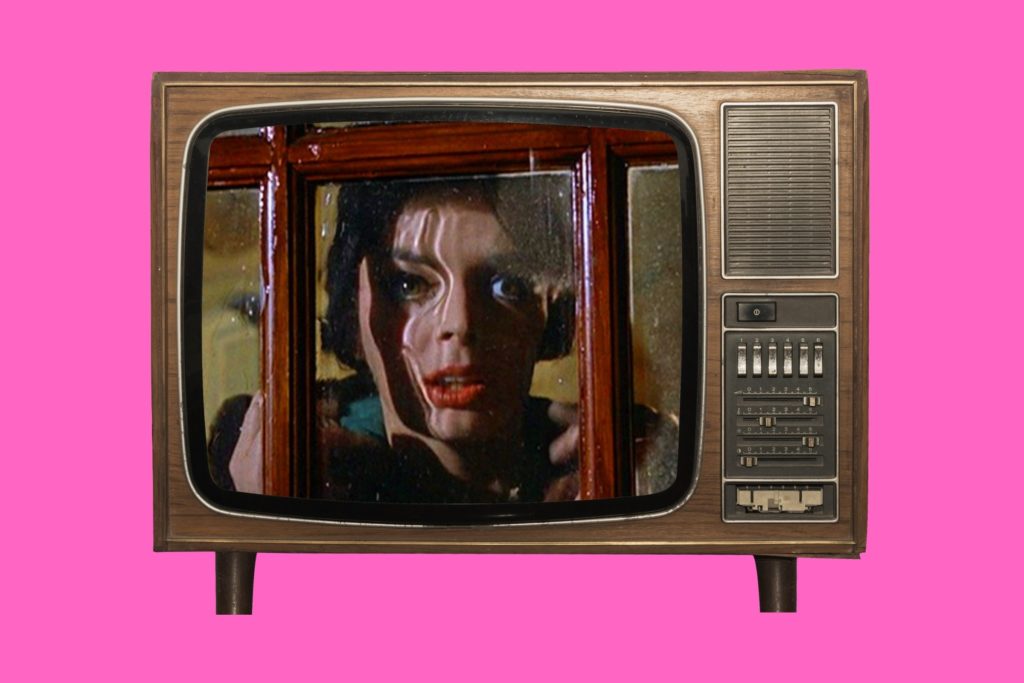
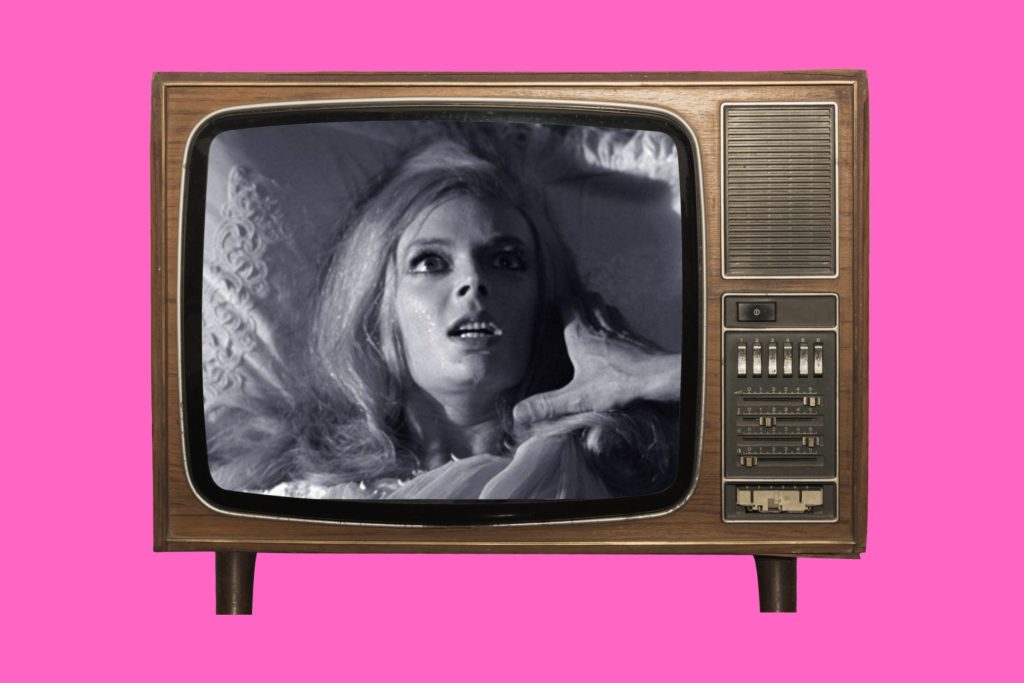
Italian Gothic cinema is also known for its surreal, psychological elements. Movies like The Horrible Dr. Hichcock delve into strange territory, with stories about doctors fascinated by death and suspended animation. Director Riccardo Freda drenches the film in atmosphere: flickering candles, cavernous hallways and decaying interiors. Antonio Margheriti adds his own dreamlike touches to films like Castle of Blood and The Long Hair of Death, blurring the lines between tragic romance and supernatural horror. These works remind us that fear can be beautiful when paired with lush visuals and strange, hypnotic stories.
Why Italian Gothic Still Matters Today
Italian Gothic cinema laid the groundwork for much of modern horror. Without Bava there may have been no Argento, and without Argento contemporary horror would look very different. You can see this influence in the stylised colours of giallo films, the gothic fantasies of Crimson Peak, the dream logic of David Lynch and the atmospherically rich horror of modern arthouse cinema. Even directors like Martin Scorsese and Tim Burton have praised Bava’s style. These haunting films remind us that the most enduring horror doesn’t rely on jump scares; it immerses us in an atmosphere we can’t easily shake.
Recommended Books on Italian Gothic Cinema
Mario Bava: All the Colors of the Dark — Tim Lucas
A massive, definitive and passionate study of Bava’s life and work.
Italian Gothic Horror Films, 1957–1969 — Roberto Curti
A detailed but approachable look at the genre’s golden age.
Planet Gothique — Laurence Talairach-Vielmas & Marie-Agnès Gay
An insightful exploration of Gothic cinema and aesthetics.
Black Sunday — Troy Taylor & Barry McCann
A focused appreciation of Bava’s signature film.
Bava: Satanic! The Memoirs of Mario Bava — Tim Lucas
Fascinating reflections on Bava’s career and influence.
Immoral Tales: European Sex & Horror Movies 1956–1984 — Cathal Tohill & Pete Tombs
A wider survey of European horror, packed with information on Italian Gothic and Euro horror.