
Kevin Smith
Kevin Smith Explained – How a Convenience Store Clerk Changed Independent Cinema
The Film That Made Me Believe Anyone Could Be a Filmmaker
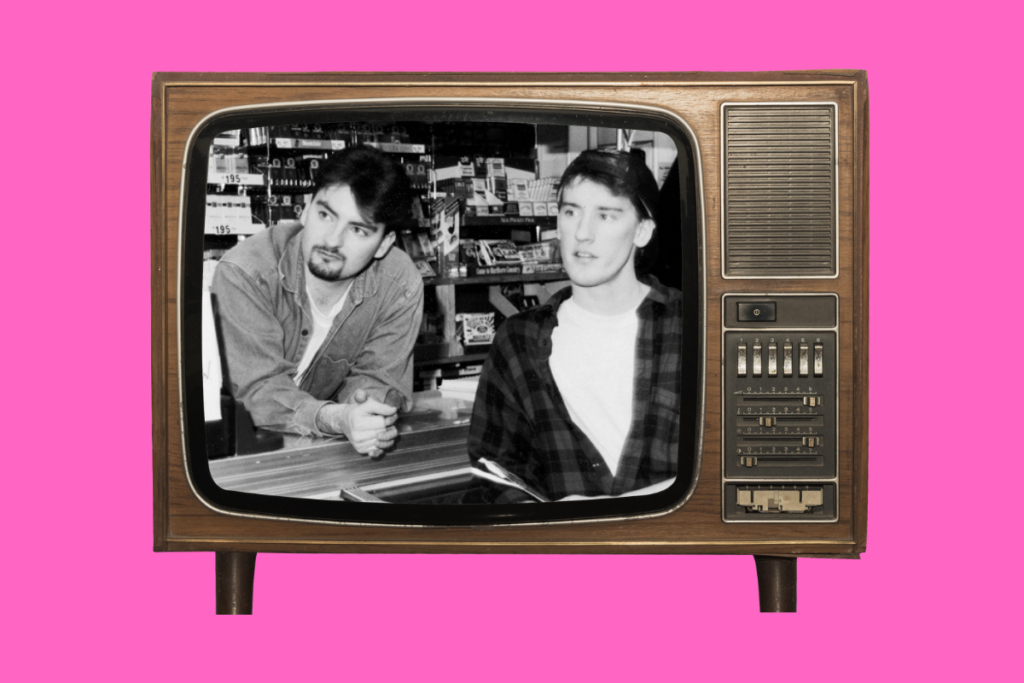
Like many film fans of my generation, Kevin Smith arrived in my life at exactly the right moment. When Clerks was released in 1994, I was working in a video shop myself, and honestly, the film felt like somebody had secretly been observing my daily life and turned it into a comedy. The endless customer interactions, the boredom, the ridiculous conversations with co-workers and the feeling that your entire world existed behind a retail counter all rang completely true with me. More importantly, it was genuinely funny. What fascinated me later was learning how Smith got there. After watching Richard Linklater’s Slacker (1990), Smith had a genuine eureka moment. Alongside Spike Lee’s She’s Gotta Have It and Steven Soderbergh’s Sex, Lies and Videotape, Slacker helped define a new era of American independent cinema. Smith realised filmmaking wasn’t reserved for Hollywood insiders. He maxed out his credit cards to the tune of around $27,000, sold part of his comic-book collection and made Clerks. The result became one of the most important independent films of the 1990s and proved that passion could sometimes matter more than budget.
Clerks and the American Indie Film Revolution
It’s difficult to overstate just how important Clerks was to the independent film movement. The film arrived during a period when audiences were becoming increasingly interested in alternative voices outside the studio system. Alongside filmmakers such as Richard Linklater, Quentin Tarantino, Spike Lee and Robert Rodriguez, Kevin Smith helped demonstrate that low-budget filmmaking could compete creatively with major Hollywood productions. What made Clerks special wasn’t its plot or production values. It was Smith’s voice. The film felt authentic, conversational and unapologetically geeky. Characters discussed Star Wars, relationships, comic books and everyday frustrations in a way that felt natural rather than scripted. Suddenly, aspiring filmmakers everywhere were looking at Clerks and thinking exactly what Smith had thought when he saw Slacker: “I could do this.” Few independent films have inspired more people to pick up a camera and tell their own stories.
The View Askewniverse Before Marvel Changed Everything
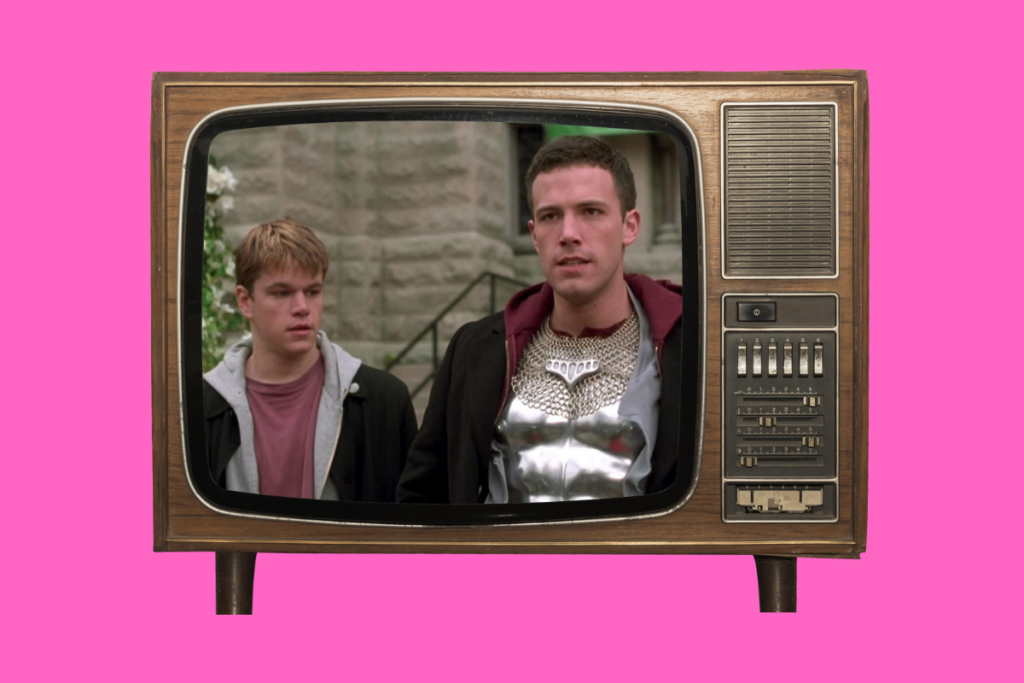
Long before audiences became obsessed with cinematic universes, Kevin Smith quietly built his own interconnected world. The View Askewniverse linked together Clerks (1994), Mallrats (1995), Chasing Amy (1997), Dogma (1999) and several later films through recurring characters, locations and references. Set largely around Leonardo, New Jersey, these movies created the feeling of a shared community that audiences genuinely cared about. At the centre of it all were Jay and Silent Bob, played by Jason Mewes and Smith himself. The duo became cult icons and remain among the most recognisable comedy characters of the last thirty years. Of the View Askewniverse films, Chasing Amy is arguably Smith’s most mature work, while Dogma remains one of the funniest and most controversial religious satires ever made. Looking back, it’s fascinating how Smith essentially created a cinematic universe years before the Marvel Cinematic Universe became the dominant model for franchise filmmaking.



Success, Failure and Life Beyond Clerks
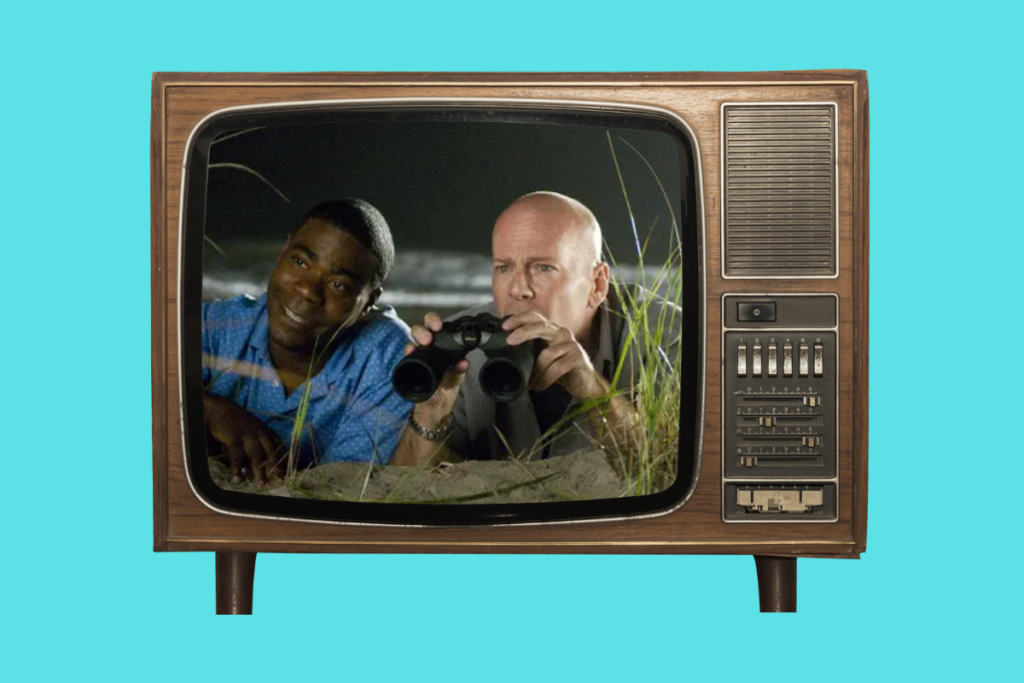
Success eventually brought bigger opportunities, but not every project landed perfectly. Smith moved into larger productions with films such as Jersey Girl (2004), which unfortunately arrived in the shadow of Gigli, the notorious box-office disaster starring Ben Affleck and Jennifer Lopez. The intense media obsession surrounding the couple damaged audience interest before Jersey Girl even reached cinemas. Smith later directed Cop Out (2010), his affectionate tribute to 1980s buddy-cop movies starring Bruce Willis and Tracy Morgan. The production became almost as famous for Smith’s public clashes with Willis as it did for the film itself. What I find most impressive about Smith, though, is his refusal to stay in one lane. He has always bounced between independent filmmaking, studio productions, stand-up comedy, podcasts, comic books and public speaking without worrying too much about what people expected from him.
Red State, Mortality and Reinvention
One of the biggest surprises in Kevin Smith’s career came with Red State (2011), a tense and genuinely unsettling horror-thriller inspired by religious extremism and modern American paranoia. For me, it’s one of the strongest films he has ever directed. The sharp dialogue remains, but Smith largely abandons his usual comedic style in favour of suspense and dread. Michael Parks delivers an extraordinary performance that deserved far more attention than it received. Smith continued exploring horror with films such as Tusk, proving he was still willing to take creative risks. Then came the life-changing event that altered his perspective entirely. In 2018, Smith suffered a massive heart attack following a stand-up performance. The experience forced him to reassess his health, his priorities and his mortality. Those themes would later become central to Clerks III, which transformed what could have been a simple nostalgia sequel into an emotional reflection on friendship, ageing and the limited time we all have.
Kevin Smith’s Legacy and Influence on Modern Cinema
Today, Kevin Smith occupies a unique place in popular culture. He’s a filmmaker, comic-book writer, podcaster, storyteller and professional fan rolled into one. His influence extends well beyond his own filmography. Without Clerks, it’s difficult to imagine the explosion of independent filmmaking that followed throughout the 1990s. Smith helped prove that ordinary people could make films outside the traditional Hollywood system and find an audience. His influences include Richard Linklater, Martin Scorsese, John Hughes, George Lucas and comic-book culture, but his own influence can be seen across modern indie cinema, podcasting and fan culture. What has always made Kevin Smith so appealing is his enthusiasm. Whether he’s discussing movies, comic books, Batman or his own failures, his love for storytelling remains infectious. His films may not always be perfect, but they are unmistakably personal, and that’s ultimately why Kevin Smith remains such an important figure in modern American cinema.
Recommended Books
Tough Sh*t: Life Advice from a Fat, Lazy Slob Who Did Good – Kevin Smith
The perfect starting point. Funny, brutally honest and packed with stories about Clerks, Hollywood and surviving the entertainment industry.
Silent Bob Speaks – Kevin Smith
A hugely entertaining collection of essays covering filmmaking, comics, pop culture and life as Kevin Smith.
My Boring-Ass Life – Kevin Smith
Part diary, part memoir and part behind-the-scenes Hollywood gossip. Essential for View Askewniverse fans.
Secret Stash: The Definitive Visual History of Kevin Smith
A lavishly illustrated celebration of Smith’s films, comics, podcasts and wider career.
Best Movie Year Ever: How 1999 Blew Up the Big Screen – Brian Raftery
A fantastic look at the era that produced Dogma and helped shape modern pop culture.
Sex, Drugs and Cocoa Puffs – Chuck Klosterman
Not a Kevin Smith book, but it perfectly captures the same blend of film geekery, nostalgia and pop-culture obsession.