
Spaghetti Westerns
Spaghetti Westerns Explained: Sergio Leone, Sergio Corbucci and the Wild West Revolution
How I Discovered Spaghetti Westerns
My introduction to Spaghetti Westerns began completely by accident. When I was ten years old, my mum went out for the evening and my dad told me I could stay up late to watch a film. I was delighted until he mentioned it was a western. Growing up on a steady diet of John Wayne films and endless episodes of Bonanza, westerns were the last thing I wanted to watch. Still, staying up late beat going to bed. The film was The Good, the Bad and the Ugly. Within minutes I was hooked. The music, the faces and Clint Eastwood’s screen presence felt unlike anything I’d seen before. As I entered my teens, Spaghetti Westerns became a staple because they were films where anything could happen.
What Makes Spaghetti Westerns Different?
The reason I fell so hard for Spaghetti Westerns was simple. They didn’t follow the rules. Traditional Hollywood westerns usually featured noble heroes and obvious villains. Italian westerns threw that formula out of the window. These films were dirtier, darker and far less predictable. Heroes were often mercenaries, bounty hunters or outright criminals. Nobody was entirely trustworthy. Violence arrived suddenly and often carried real consequences. The stories felt dangerous in a way that many American westerns never did. That unpredictability remains one of the genre’s greatest strengths and explains why so many of these films still feel fresh today.
Sergio Leone Reinvents the Western
When people think about Spaghetti Westerns, Sergio Leone is usually the first name that comes to mind. His Dollars Trilogy transformed the genre and made Clint Eastwood an international star. A Fistful of Dollars, For a Few Dollars More and The Good, the Bad and the Ugly changed cinema forever. Yet Leone’s true masterpiece is Once Upon a Time in the West. It remains one of the most visually stunning films ever made. His criminally underrated A Fistful of Dynamite deserves far more attention, while Once Upon a Time in America proved he could bring the same operatic style to gangster cinema. Leone didn’t just make westerns. He reinvented them.
Sergio Corbucci and the Darker Side of the West
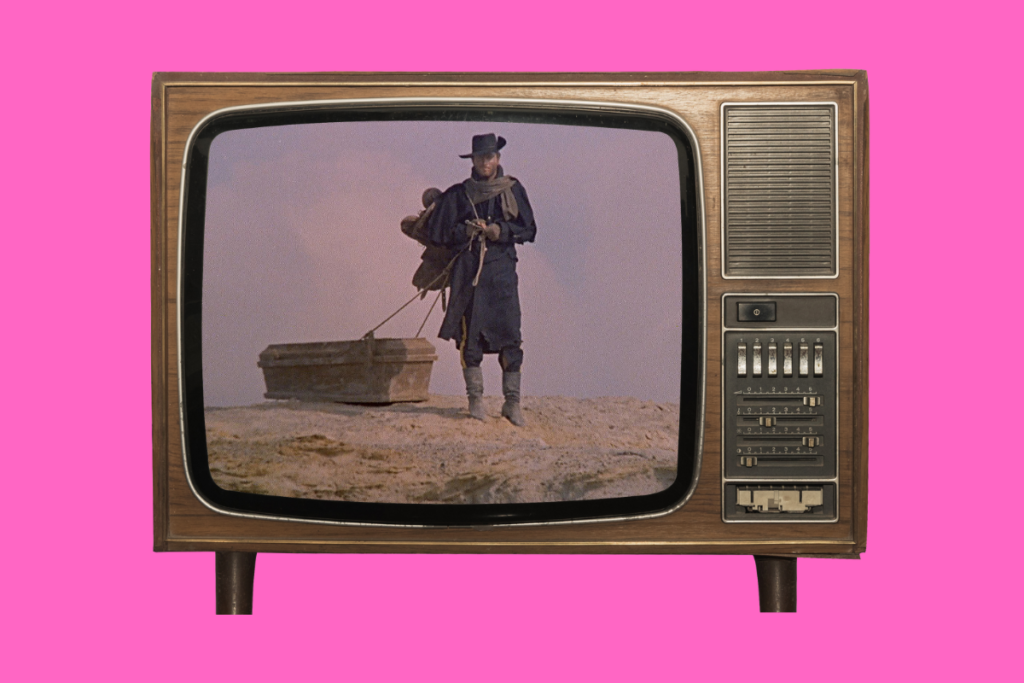
As much as I admire Leone, Sergio Corbucci deserves equal recognition. In some ways, he pushed the genre even further. His films often felt bleaker, more political and considerably more violent. Django became one of the most influential westerns ever made and inspired countless imitators. The Great Silence remains one of the most shocking and powerful westerns I’ve ever seen. Corbucci also directed classics such as Companeros and The Mercenary. Alongside him were talented filmmakers including Lucio Fulci, Sergio Martino and Enzo G. Castellari. All of them brought something unique to Italian western cinema and helped expand the genre far beyond Leone’s influence.

Essential Spaghetti Westerns Beyond Leone
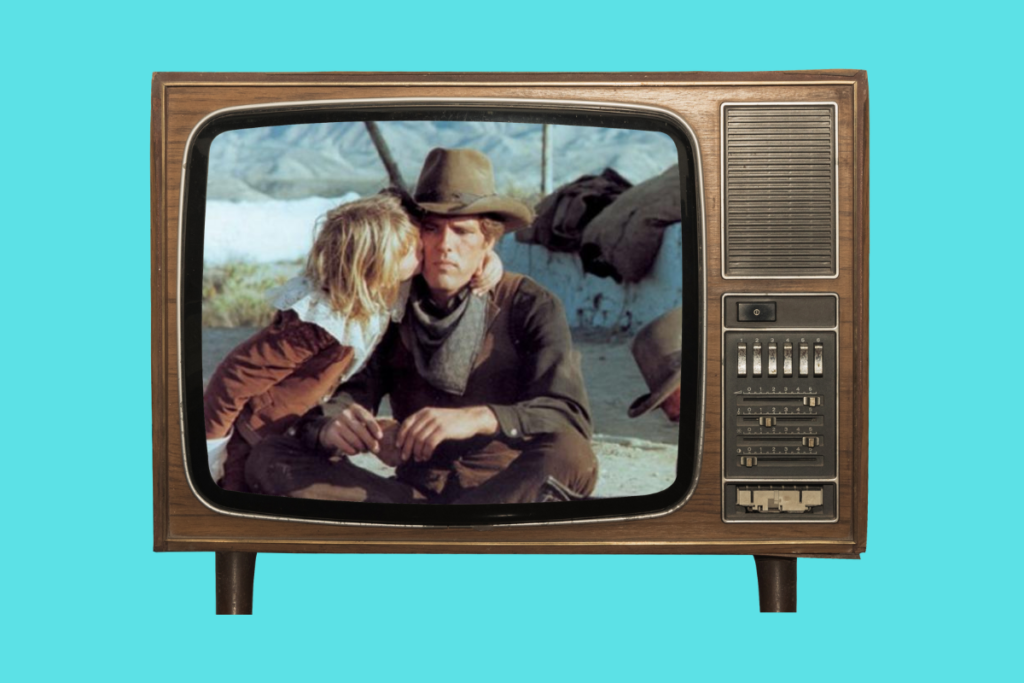
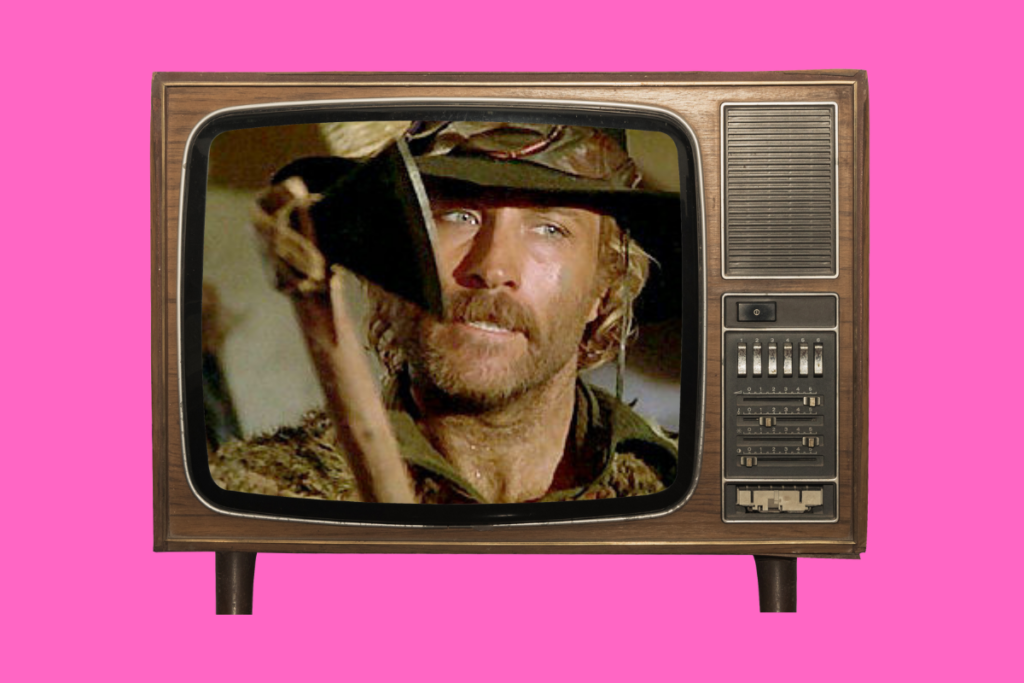
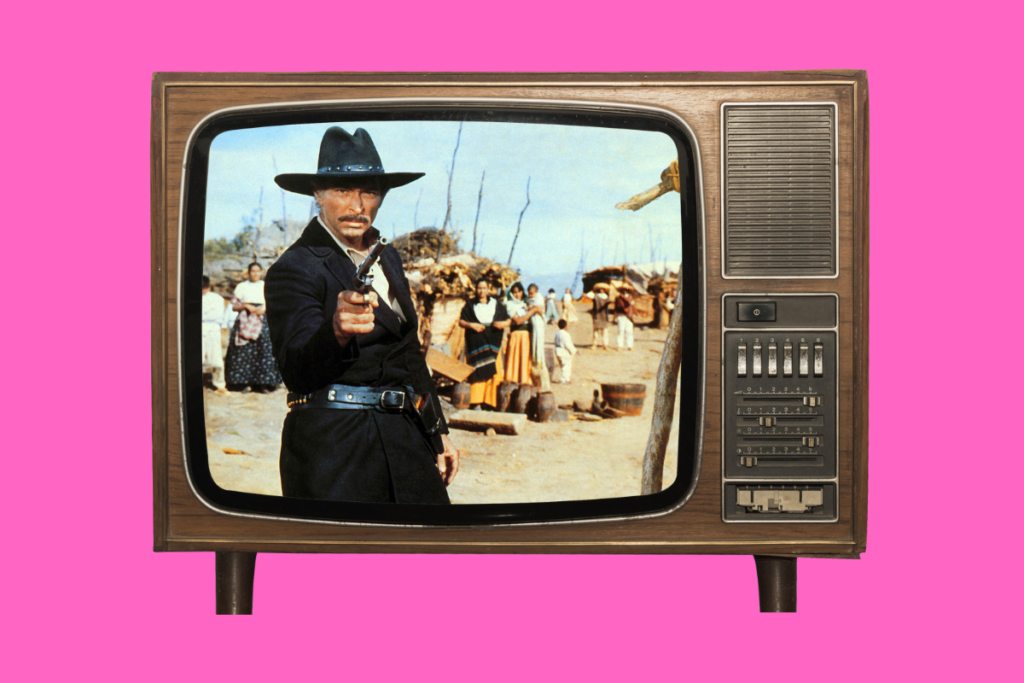
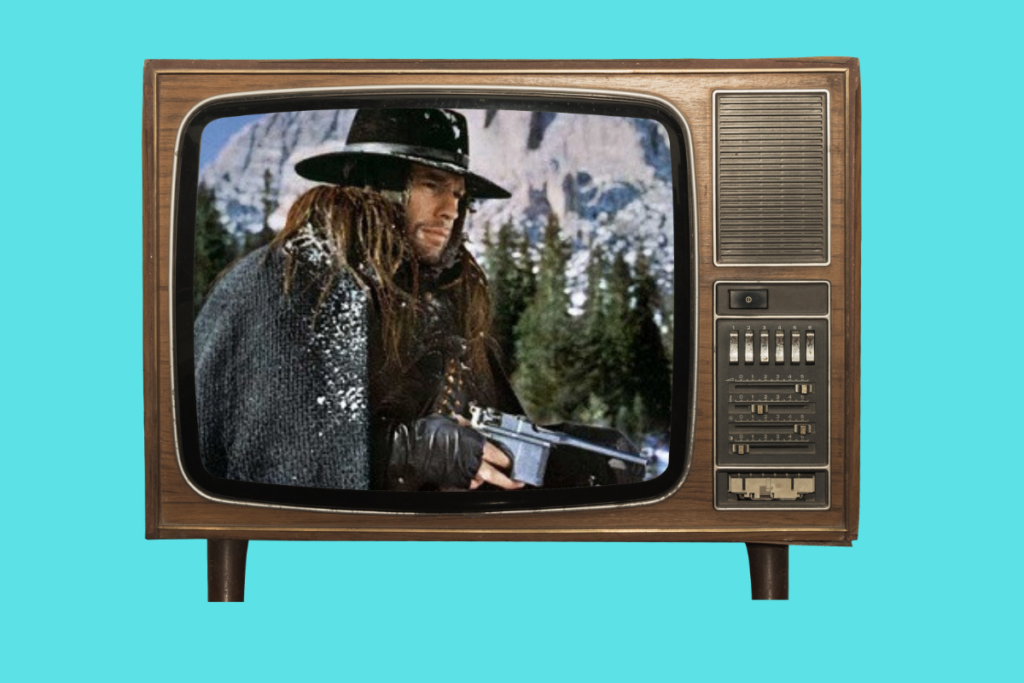
One of the joys of exploring Spaghetti Westerns is discovering the films beyond the obvious classics. A Bullet for the General blends revolution, politics and action into one of the smartest westerns ever made. Sergio Sollima’s The Big Gundown delivers a brilliant cat-and-mouse story and a superb performance from Lee Van Cleef. Keoma is often described as the final great Spaghetti Western and combines mythic storytelling with striking visuals. Then there is the wonderfully strange Django Kill! which proves just how experimental the genre could become. These films constantly reminded me that Spaghetti Westerns were never afraid to take risks.
Ennio Morricone and the Legacy of Spaghetti Westerns
No discussion of Spaghetti Westerns would be complete without Ennio Morricone. He and Sergio Leone attended school together long before they became creative partners. Their collaboration produced some of the greatest film scores ever written. Morricone’s music became every bit as important as the visuals. His whistles, guitars and haunting vocals helped define the genre. Today, the influence of Spaghetti Westerns can be seen everywhere. Quentin Tarantino, Robert Rodriguez, Martin Scorsese and Sam Raimi have all borrowed from their style. Raimi’s The Quick and the Dead is a particularly affectionate homage. Decades later, Spaghetti Westerns remain some of the coolest and most influential films ever made.
Recommended Books on Spaghetti Westerns
If you’d like to explore the genre further, these are the books I always recommend:
10,000 Ways to Die: A Director’s Take on the Spaghetti Western – Alex Cox
Something to Do With Death – Christopher Frayling
Spaghetti Westerns: Cowboys and Europeans from Karl May to Sergio Leone – Christopher Frayling
The Good, the Bad and the Violent – Howard Hughes
Once Upon a Time in Italy: The Westerns of Sergio Leone – Christopher Frayling
Any Gun Can Play – Kevin Grant
Alex Cox’s 10,000 Ways to Die remains my personal favourite – it’s funny, passionate, opinionated and perfectly captures why Spaghetti Westerns remain one of cinema’s most entertaining genres.